Janjeva


Overview
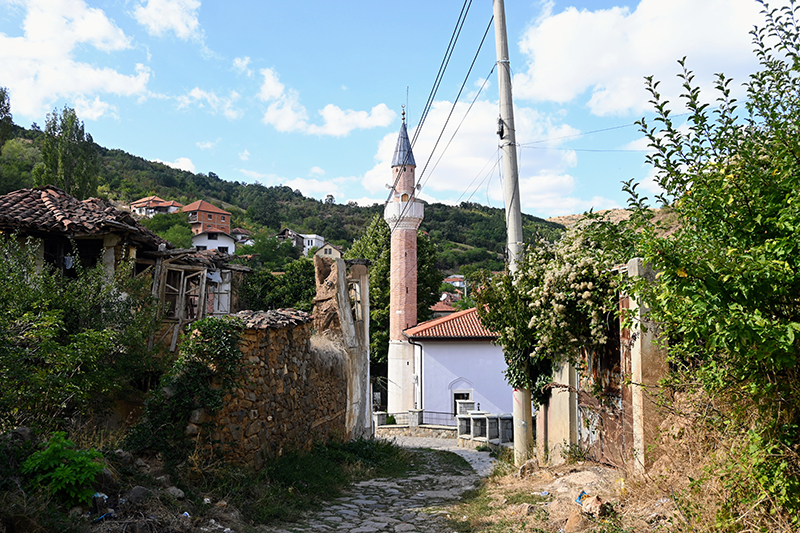
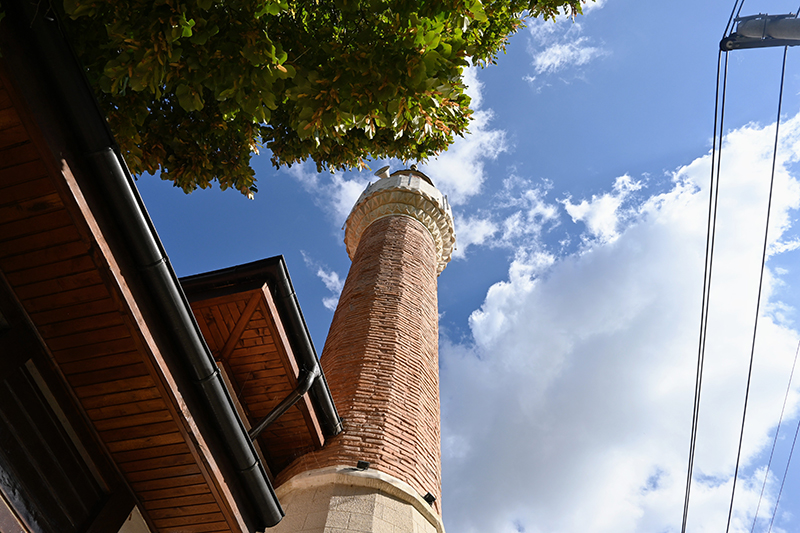
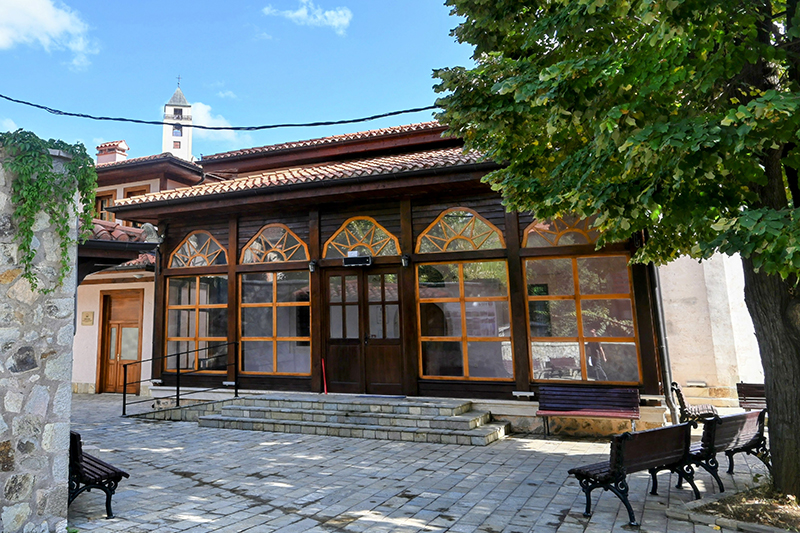
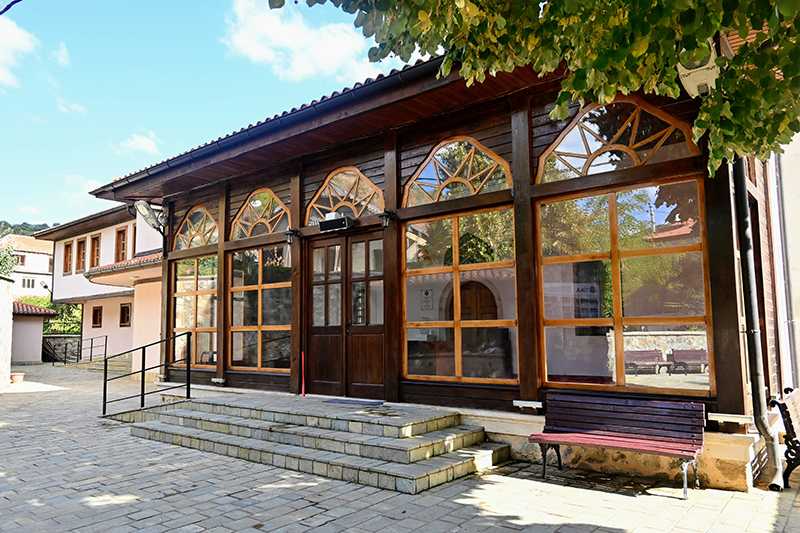
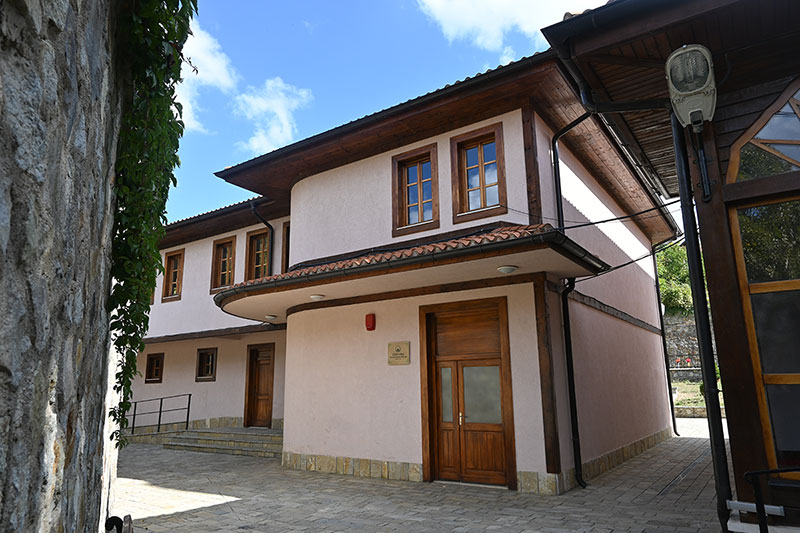
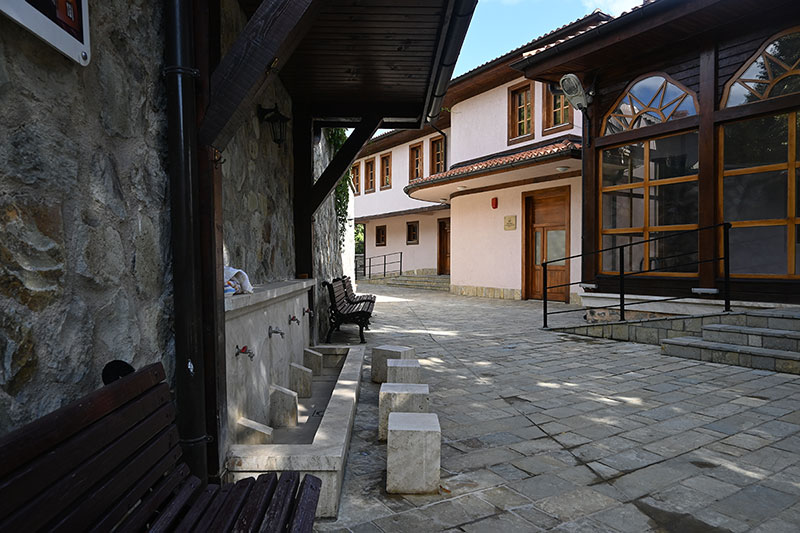
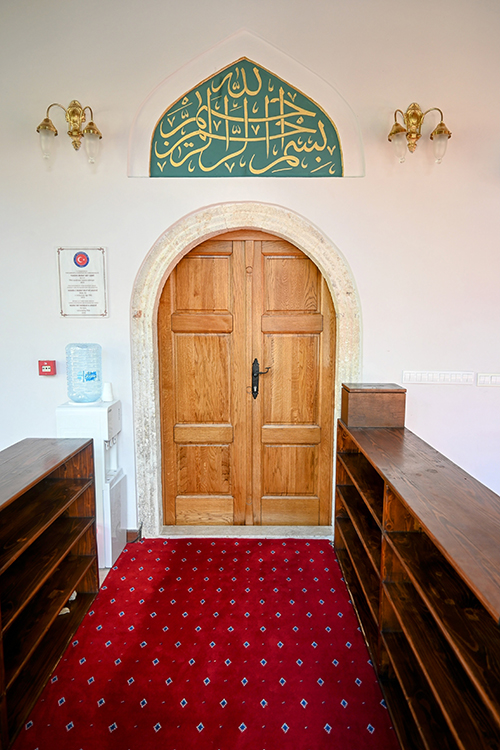
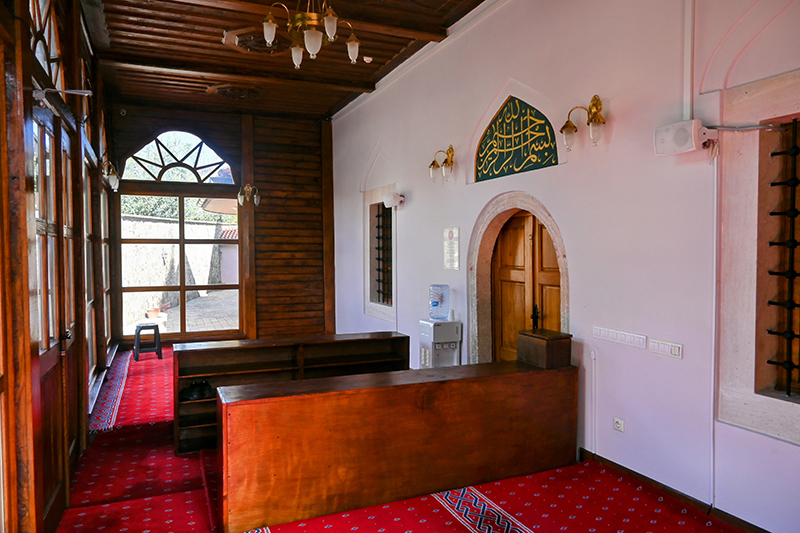
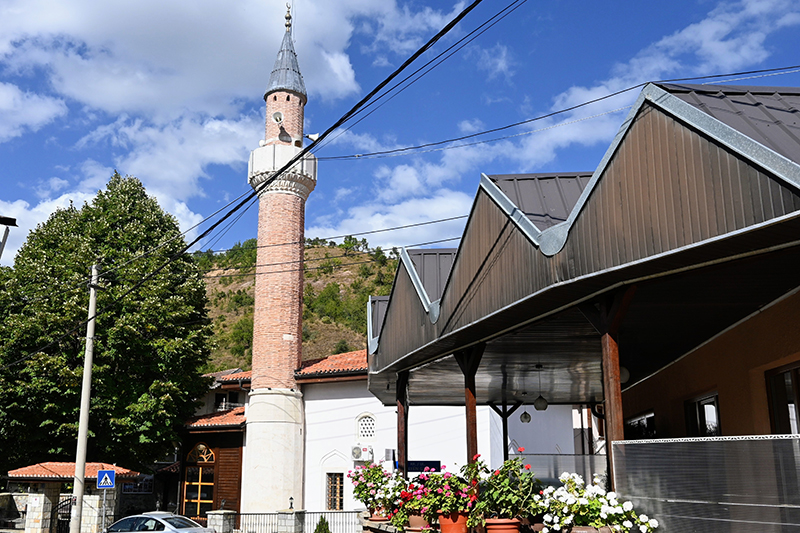
The Mosque of Janjevë/Janjevo or otherwise known as the Mosque of Murat Bey was built in the 17th century by the administration of the Ottoman Empire after the conquest of Janjevë/Janjevo. The architectural characteristic of this object is the absence of a dome, which is very common in cult objects built by the Ottoman Empire, which was also seen as a sign of devotion to religion by the Ottoman administration of the time. The mosque was restored in 2014-2015 by the Turkish organization TIKA, although the 4 walls and minaret of the mosque have been preserved “intact” since the time of construction. The mosque is still active today and serves the local Muslim community for religious rites.
Bikliqi, V. (2023, September 1). Xhamia e Janjevës. (A. Gashi, Interviewer)
Georeference: 42.574096 , 21.247402
Plus Code – Google Maps: H6FW+JXJ Јаnjevë
Category: Culture
Subcategory: Mosque
Legal protection status: Category:
Archaeological heritage
Subcategory: Monument/ Ensemble
Code: 44
Is it used for tourism? Yes
Is there potential for tourism in the future? /
Road infrastructure to the location: Good
Signs and orientation to the location: There are no road signs
Boards on site: There is no board at all




Get Directions
Visited 487 times, 1 Visit today